Guide
Onchain Data Protection: Glow AI's Privacy Guide
· Glow AI LLC
Glow shows the reasoning steps for an answer in your transcript. The personal journal is encrypted on your device with AES-256-GCM before it is stored, and the raw key is not written to the chain. The same Glow app is available on phone, desktop, and browser.

What makes onchain AI different from other AI?
When Glow answers, the app can show the reasoning steps for that answer. An on-chain audit id can be attached to the same answer so the trail can be opened later.
The personal journal is a separate record. Glow encrypts it on the device with AES-256-GCM. Messages, prompts, and audio you choose to send are processed so Glow can respond.
How does onchain AI protect personal data?
Onchain AI data protection shows you the reasoning steps for an answer and keeps the personal journal encrypted on your device. You can review, edit, or clear memory in the app where that control is available. Clearing memory removes that companion context from Glow's systems, subject to ordinary backup retention.
Can users control what the AI remembers?
Where the app offers memory controls, you can review, edit, or clear what Glow kept. The company profile describes Glow AI LLC, registered in Wyoming. Chats are not placed on a public feed. Glow does not sell your personal information.

How does your personal vault stay secure?
The personal journal is encrypted on your device before it is stored. You can read the reasoning steps for an answer in the app, along with the information you choose to keep. Chats are not placed on a public feed. Glow does not sell your personal information.
Onchain AI data protection here means two concrete things: reasoning steps you can read, and an on-chain audit id for that answer when the app provides one. Memory you clear is removed from Glow's systems, subject to ordinary backup retention.
What encryption protects the personal journal?
Glow encrypts personal journal entries on the device with AES-256-GCM. The raw key stays on the device and is not written to the chain. A restored device that has that key can decrypt the same entries. Messages, prompts, and audio you choose to send are still processed so Glow can answer.
Who can view the contents of a personal journal?
Journal ciphertext is decrypted on a device that holds the key. Glow processes the messages and audio you send in order to reply. Glow does not sell your personal information, and those chats are not placed on a public feed.
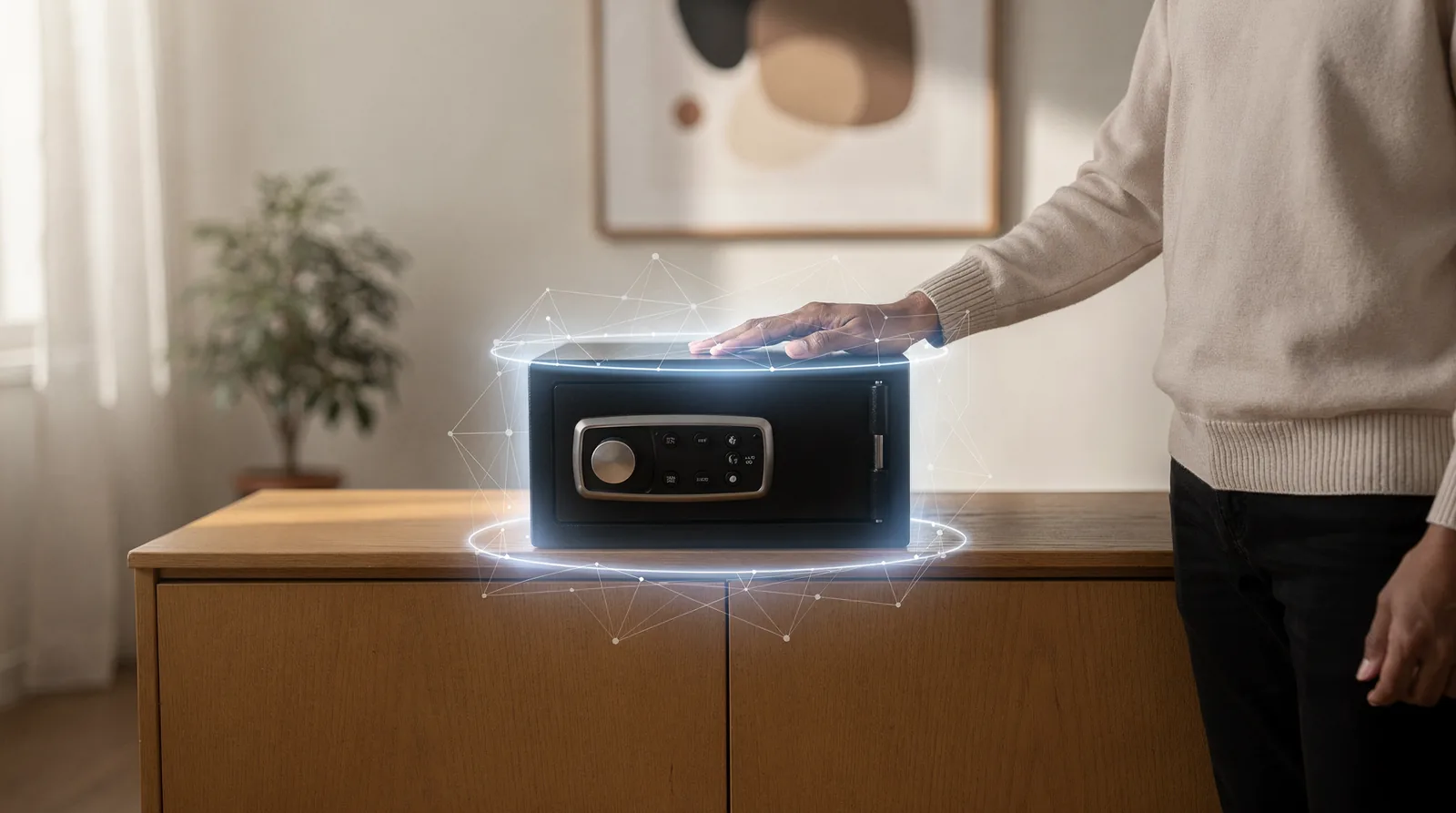
Can you really trust AI with your private data?
A lot of assistants treat conversations as material stored where you cannot see the reasoning. Glow takes a different path: a private assistant with reasoning you can review, and a vault for the information you choose to keep.
Glow shows reasoning steps in the transcript and can attach an on-chain audit id to the answer. The personal journal uses AES-256-GCM on the device. Prompts you send are processed so Glow can respond.
How does onchain AI protect personal conversations?
Glow can show the reasoning steps for a response in the app, and an on-chain audit id can point back to that answer.
What makes a personal vault different from cloud storage?
Ordinary cloud storage is often readable by the company that hosts it. Glow seals personal journal entries on the device with AES-256-GCM and does not write the raw key to the chain. Context you choose to keep can continue a conversation, and that history is not placed on a public feed.
Your data stays yours
Glow shows reasoning steps for an answer and encrypts the personal journal on your device. You can clear memory where the app offers that control. Glow does not sell your personal information.
Glow is an AI assistant, so answers can be wrong. Verify anything important before you rely on it.